 Vanda Svobodova
Historical roots of coffee in the Czech Republic
The history of coffee in the Czech Republic dates back to the late 18th century when the beverage first arrived in Prague. It was introduced by traders and merchants who brought the exotic and aromatic beans from the Middle East.
At first, coffee was a luxury item, only accessible to the elite classes. Coffee houses started to spring up in the city, becoming gathering places for intellectuals, politicians, and artists. These establishments became important cultural hubs, where lively discussions and debates took place, shaping the intellectual landscape of the time.
Key Points:
- Coffee in the Czech Republic originated in the late 18th century
- Traders and merchants brought the exotic and aromatic beans from the Middle East
- Initially, coffee was a luxury item for the elite classes
- Coffee houses emerged as gathering places for intellectuals, politicians, and artists
- Coffee houses played a significant role in shaping the intellectual landscape of the time

As Prague became more cosmopolitan and open to international influences, it began to embrace different coffee brewing methods and rituals. The traditional Czech method of brewing coffee involved using a Turkish cezve or a French press. However, neighboring countries such as Austria and Germany introduced the Viennese and German coffee culture, respectively.
The Viennese-style coffee houses, with their refined and elegant ambiance, started to gain popularity among the upper classes. On the other hand, the German-influenced coffee shops focused on more simple and hearty coffee preparations. These various influences contributed to the rich and diverse coffee culture that the Czech Republic is known for today.
In summary:
- Prague adopted different coffee brewing methods and rituals
- Traditional Czech brewing involved the use of a Turkish cezve or a French press
- Neighboring countries introduced the Viennese and German coffee cultures
- Viennese-style coffee houses gained popularity among the upper classes
- German-influenced coffee shops focused on simple and hearty coffee preparations
- These influences shaped the rich and diverse coffee culture in the Czech Republic.
Traditional coffee brewing methods and rituals
One of the fascinating aspects of coffee culture in the Czech Republic is the traditional brewing methods and rituals that have been passed down through generations. These methods have deep roots in the history and cultural heritage of the country.
One such method is called Turkish coffee, where finely ground coffee is boiled in a special small pot called a cezve. The coffee is then poured into small cups, and the sediments settle at the bottom, giving the brew a unique intensity and flavor.
Another traditional brewing method in the Czech Republic is the Dutch coffee, also known as Kohvový konvice. In this method, hot water is slowly poured over a filter cone containing ground coffee. The water drips down into a separate vessel, resulting in a strong, smooth cup of coffee. This method often involves a ritualistic pouring process, creating a sensory experience for the coffee drinker.
These traditional brewing methods and rituals are cherished and celebrated, showcasing the Czech Republic’s rich coffee culture.

Influences of neighboring countries on Czech coffee culture
In the realm of coffee culture, influences from neighboring countries can often be seen shaping and molding the traditions of a region. This holds true for the Czech Republic as well, a country that has been greatly influenced by its surrounding nations when it comes to their coffee customs.
One of the notable influences on Czech coffee culture comes from Austria, a country known for its own rich coffee traditions. Austrian coffee houses have long been celebrated as hubs of intellectual and social gatherings, and this allure has made its way into the Czech Republic. The concept of a traditional Viennese coffee house has been adopted and adapted, with many Czech cafés now mirroring the elegant and grand atmosphere found in their Austrian counterparts.
The practice of lingering over a cup of coffee, accompanied by a slice of cake or pastry, has become synonymous with Czech café culture, and owes its origins to the influence of the Austrian coffee house tradition.
Rise of specialty coffee in the Czech Republic
The rise of specialty coffee in the Czech Republic has been a remarkable phenomenon in recent years. As more and more discerning coffee enthusiasts seek out unique and high-quality brews, the Czech coffee scene has responded with a surge of specialty coffee shops and roasteries. These establishments are redefining the way coffee is enjoyed and appreciated in the country.
One of the key factors contributing to the rise of specialty coffee in the Czech Republic is the growing interest in sustainability and ethical sourcing. Coffee consumers are becoming increasingly aware of the environmental and social impact of their choices, and are actively seeking out coffee that is ethically sourced, from farm to cup. This has led to a rise in specialty coffee shops that prioritize fair trade, direct trade, and organic practices. Additionally, the emphasis on quality and artisanal craftsmanship has resulted in a greater appreciation for the nuances of coffee, from the origin and varietal of the beans to the intricacies of the brewing process. As a result, specialty coffee has gained a solid foothold in the Czech coffee culture, attracting both locals and tourists alike craving a unique and unforgettable coffee experience.

The concept of “third wave” coffee and its impact on modern cafés
The concept of “third wave” coffee has significantly shaped the landscape of modern cafés in the Czech Republic. This movement, which focuses on high-quality, traceable coffee beans and precise brewing methods, has brought a new level of sophistication and appreciation to the local coffee culture.
The emphasis is not only on the final cup, but also on the entire coffee supply chain, from sourcing and roasting to brewing and presentation.
One of the key impacts of the “third wave” coffee movement on modern cafés is the increased attention to detail in every aspect of the coffee experience. From the selection of specialty coffee beans to the meticulously calibrated brewing equipment, cafés are now striving to create a harmonious and memorable sensory experience.
Baristas are trained extensively to understand the nuances of different coffee origins, roasts, and brewing techniques, enabling them to serve customers an exceptional and personalized cup of coffee. This shift towards quality and craftsmanship has transformed cafés into not just places to grab a quick caffeine fix, but destinations where coffee enthusiasts can immerse themselves in the art and science of coffee.
Popular traditional Czech coffee drinks
Káva s mlékem, or coffee with milk, is a popular traditional Czech coffee drink enjoyed by locals and visitors alike. Prepared by combining freshly brewed coffee with hot milk, this beverage offers a smooth and creamy flavor profile. The ratio of coffee to milk can be adjusted according to personal preference, resulting in variations such as the káva s mlékem horká (hot coffee with milk) and káva s mlékem studená (cold coffee with milk). Whether enjoyed as a morning pick-me-up or a soothing afternoon treat, káva s mlékem adds a touch of comfort and familiarity to Czech coffee culture.
Another beloved traditional Czech coffee drink is the káva se šlehačkou, or coffee with whipped cream. This indulgent beverage features a generous dollop of whipped cream atop a freshly brewed cup of coffee. The rich and velvety cream provides a luxurious texture and enhances the flavor of the coffee underneath. Often served with a dusting of cocoa powder or a sprinkle of cinnamon, káva se šlehačkou is a delightful treat that exemplifies the Czech love for decadence and attention to detail in their coffee traditions.
Evolution of café design and atmosphere in the Czech Republic
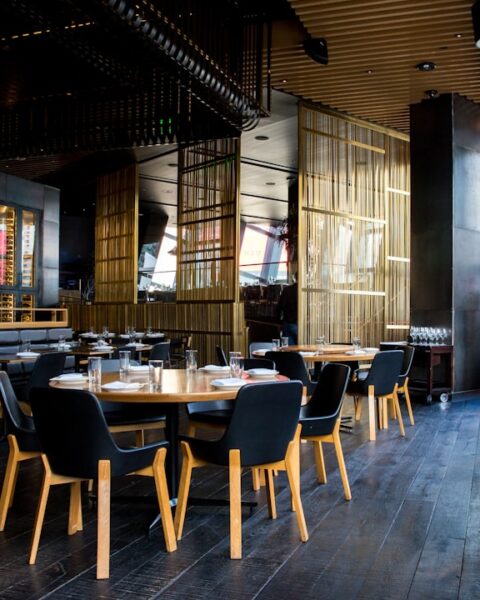
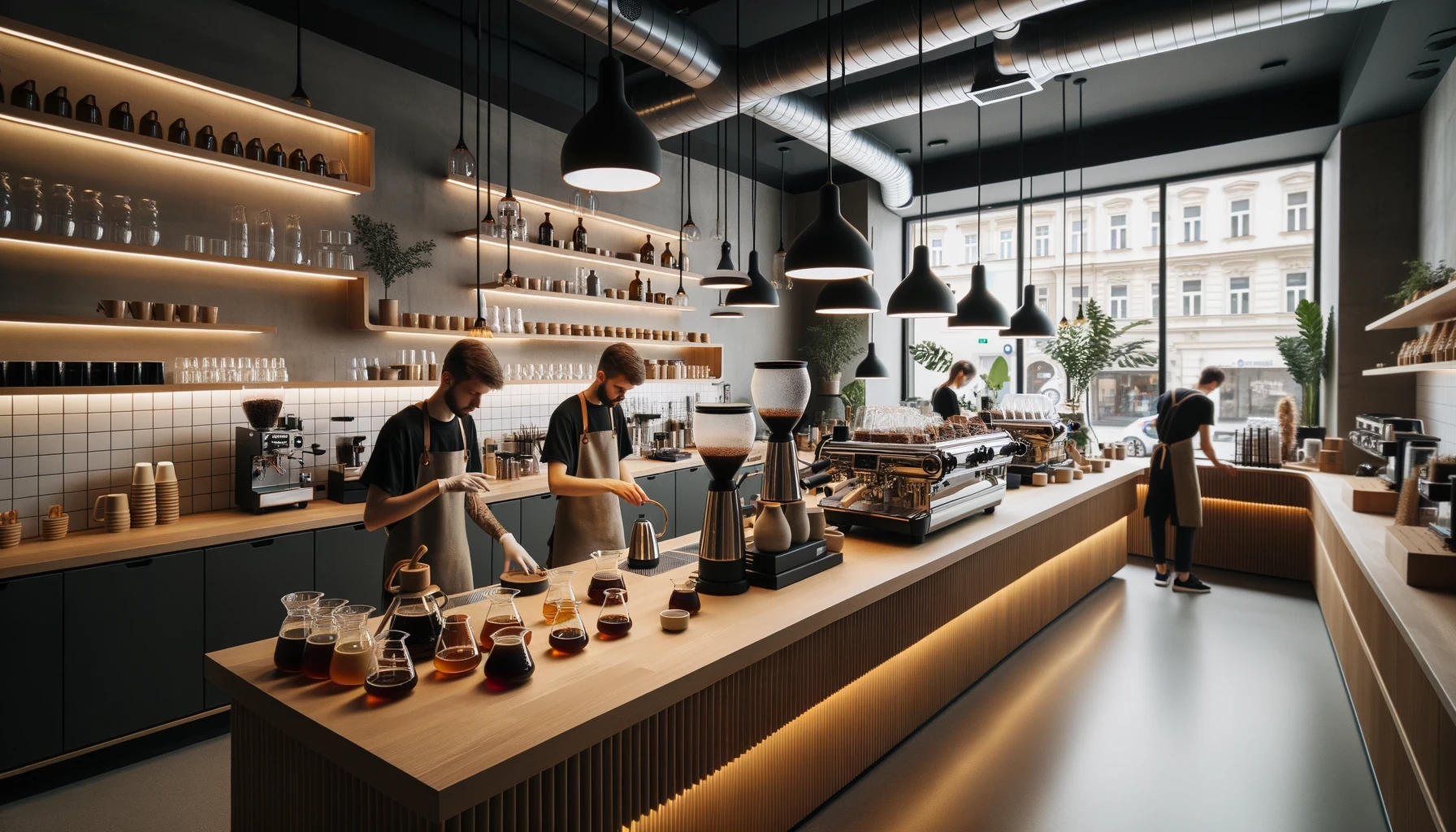
In recent years, there has been a notable evolution in café design and atmosphere in the Czech Republic. The traditional, cozy cafes with their dark wooden interiors and antique furnishings have gradually given way to a more modern and minimalist aesthetic. Clean lines, sleek surfaces, and contemporary furniture have become the norm, creating a sophisticated and stylish ambiance for coffee enthusiasts.
The change in café design has also brought about a shift in atmosphere. While the traditional cafes were often characterized by a laid-back and leisurely vibe, the newer coffee establishments exude an energetic and vibrant atmosphere. The sound of baristas expertly grinding beans and the aroma of freshly brewed coffee fills the air, creating an invigorating sensory experience for customers. The introduction of open-plan spaces and communal tables encourages social interaction, turning coffee shops into lively hubs where people can work, meet, and connect.

Coffee education and appreciation in the Czech Republic
The Czech Republic has seen a significant increase in the appreciation and education surrounding coffee in recent years. With a growing number of coffee enthusiasts and a thriving coffee culture, education has become essential in understanding the intricacies and techniques involved in brewing a perfect cup.
Baristas and coffee professionals have been actively conducting workshops and training sessions, sharing their knowledge and passion with coffee enthusiasts across the country.
These educational initiatives cover a wide range of topics, including:
- The origins and processing of coffee beans
- Various brewing methods
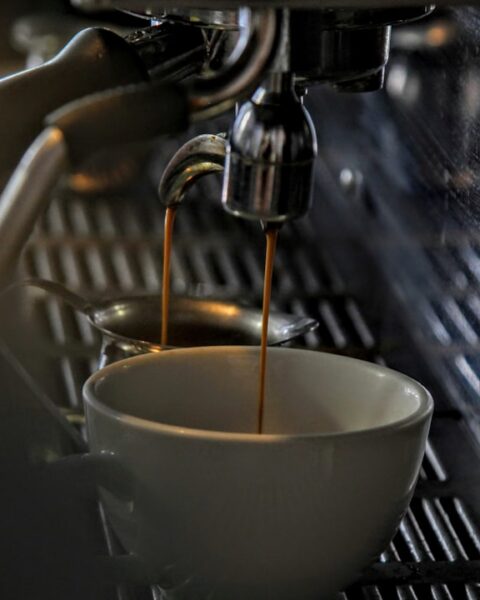
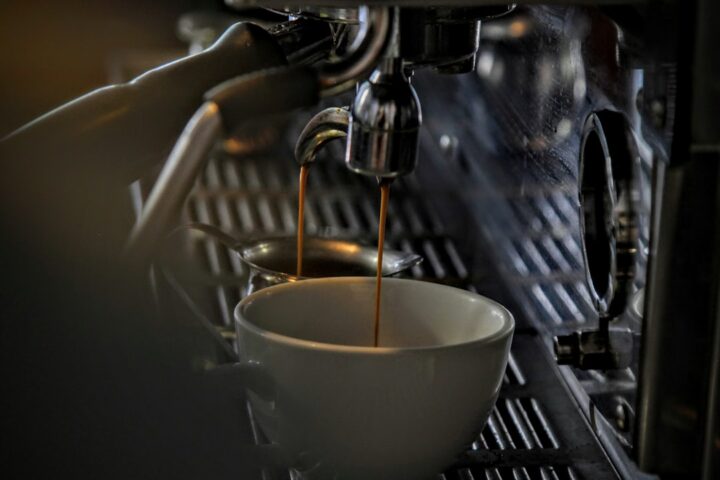
- The science behind creating the perfect espresso shot
Coffee tastings and cupping sessions are also gaining popularity, allowing participants to explore the subtle flavors and aromas present in different coffee beans.
The emphasis on education has not only elevated the overall coffee experience but has also inspired a new generation of baristas and coffee professionals. They continuously push the boundaries of coffee preparation and brewing techniques.
Prominent coffee roasteries and cafés in the Czech Republic
The Czech Republic, particularly Prague, has a rich and evolving coffee culture that blends traditional methods with modern innovations. Here’s an overview of the prominent coffee roasteries and cafés in the Czech Republic:
- Exploring Specialty Coffee Culture in Prague:
- Historical Roots: Coffee first arrived in Prague in the early 16th century, initially as a luxury for the bourgeois and wealthy. The city’s first coffee shop was opened by a Turkish man named Jiří Deodat.
- Modern Scene: Today, Prague is home to new roasteries and specialty coffee shops, such as Cafe Ebel, the country’s first micro roaster. The city’s coffee scene is characterized by a mix of old second-hand equipment and a focus on the quality of coffee preparation.
- Impact of COVID-19: Despite challenges, coffee professionals in Prague have adapted, with many popular spots either remaining open or reopening.
- Key Places: Onesip, Candycane, and EMA espresso are notable mentions in Prague’s coffee scene.
- Czech Republic’s Coffee Culture: From Traditional to Modern Cafés:
- Early Beginnings: Coffee in the Czech Republic originated in the late 18th century, brought by traders from the Middle East.
- Cultural Significance: Early coffee houses were important cultural hubs for intellectuals, politicians, and artists.
- Brewing Methods: Traditional Czech brewing methods include Turkish coffee (boiled in a cezve) and Dutch coffee (Kohvový konvice), involving a slow pour-over process.
- Influences: The Czech coffee culture has been influenced by neighboring countries, particularly Austria and Germany, leading to a diverse coffee scene.
- Specialty Coffee Rise: There’s a growing interest in specialty coffee, with a focus on sustainability and ethical sourcing.
The future of Czech coffee culture: trends and innovations
As Czech coffee culture continues to evolve and expand, we can expect to see several trends and innovations taking center stage in the future.
One of the key trends that is already gaining momentum is the increased focus on sustainability in the coffee industry. With growing awareness about environmental issues, consumers are becoming more conscious of the impact their coffee choices have on the planet. Consequently, we can anticipate the rise of more eco-friendly initiatives such as:
- the use of compostable coffee cups
- ethically sourced beans
- responsible waste management practices in Czech cafés.
In addition to sustainability, technology is also expected to play a significant role in shaping the future of Czech coffee culture. With the advent of smart coffee machines and automated brewing systems, the coffee experience is becoming more personalized and convenient for customers. This trend is likely to continue, with cafes incorporating cutting-edge technology to enhance the brewing process and offer unique coffee experiences to their patrons. From interactive brewing demonstrations to online ordering platforms, the fusion of tech and coffee is poised to revolutionize the way Czechs enjoy their daily cup of joe.
Home brewing gear + coffee books
- “The World Atlas of Coffee” by James Hoffmann — the definitive reference.
- Hario V60 pour-over kit — the classic manual brewer.
- Aeropress coffee maker — favoured by Prague third-wave baristas.
- Baratza Encore hand grinder