 Vanda Svobodova
A Glimpse into Czech Republic’s Royal Past
As one delves into the rich and storied history of the Czech Republic, the royal past of this European nation reveals itself as a captivating tapestry woven with intrigue and grandeur. From the illustrious reign of the Bohemian kings to the influence of the Habsburg dynasty, the palaces that dot the Czech landscape stand as poignant reminders of a bygone era.
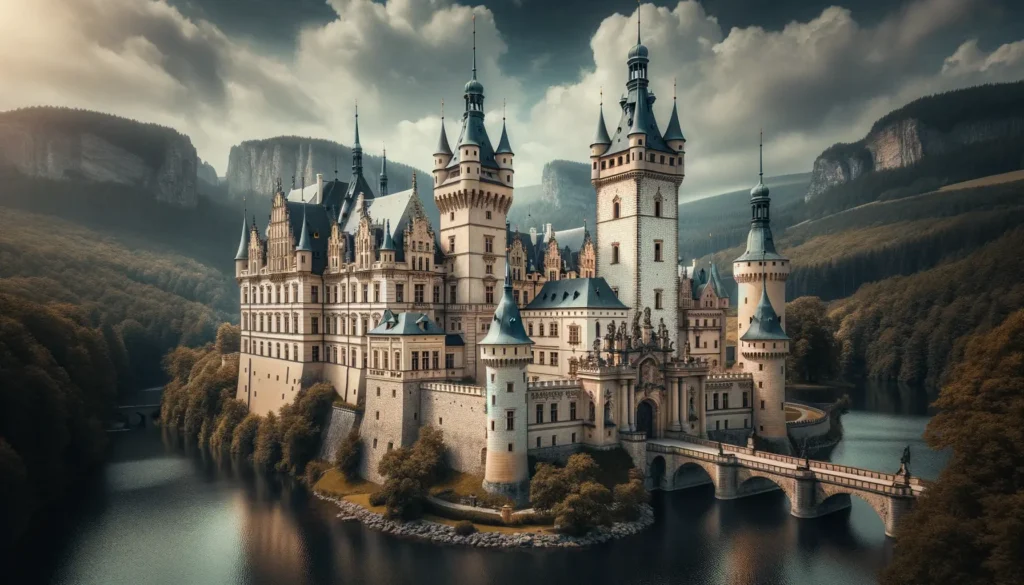
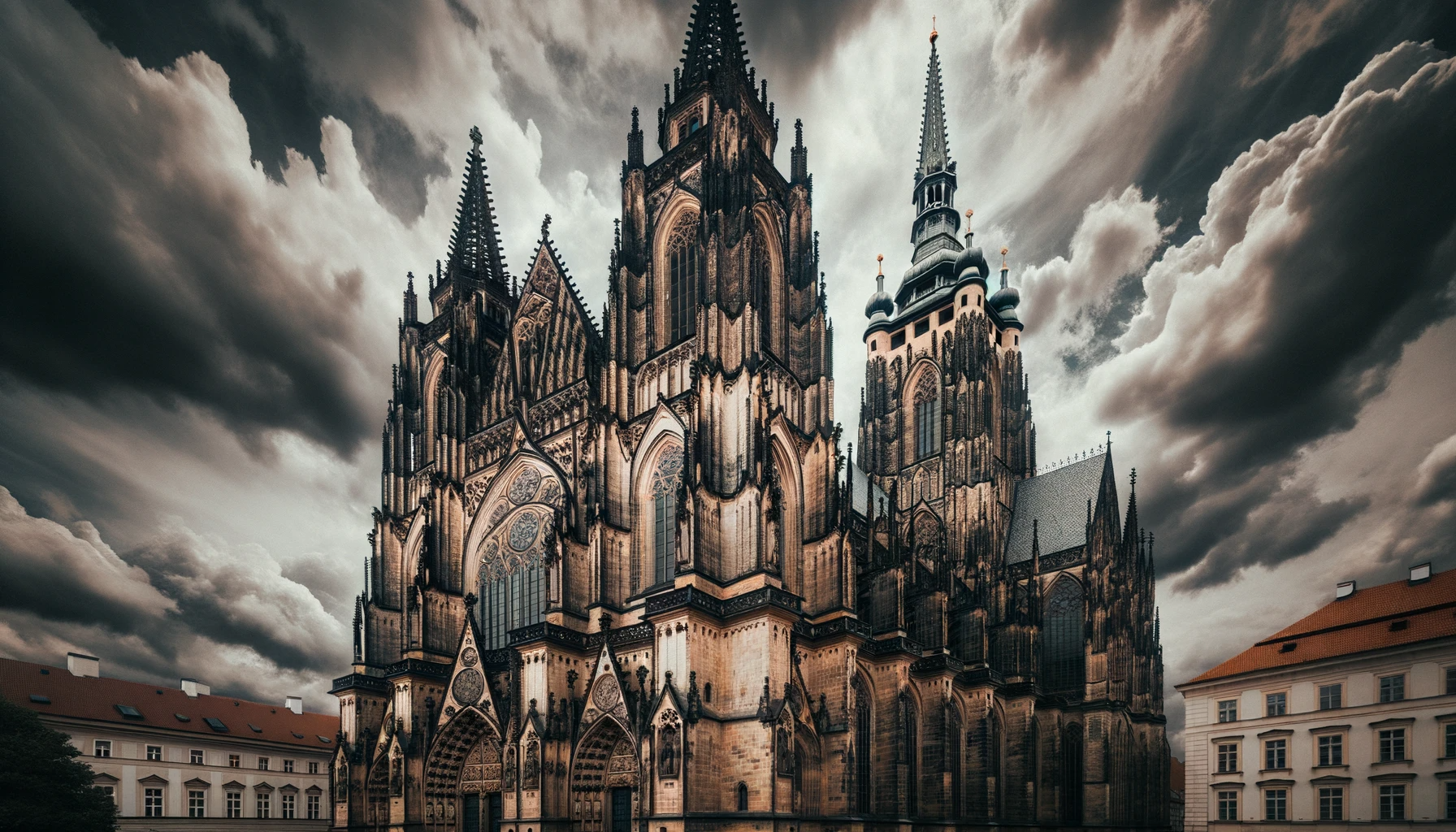
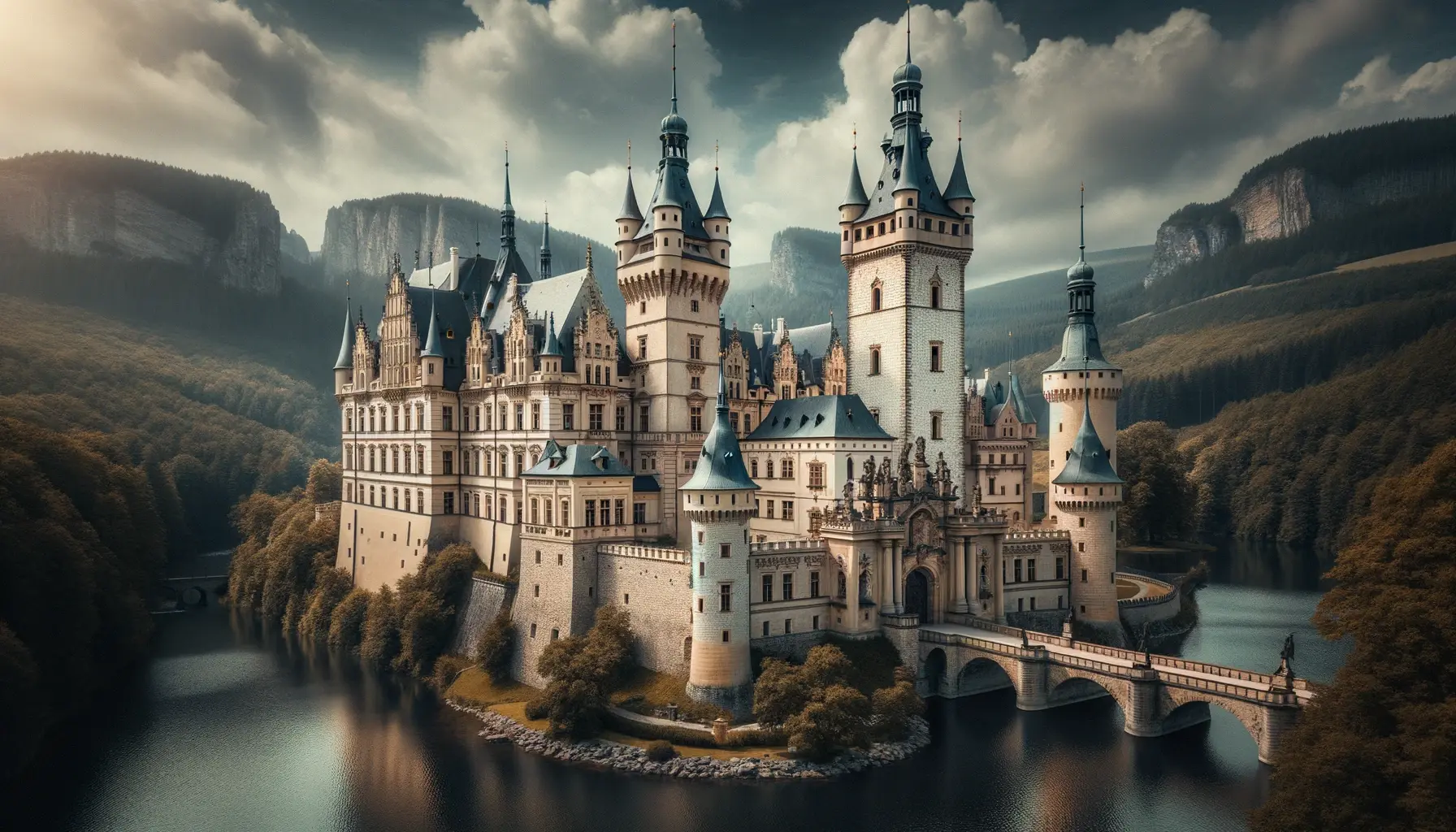
Walking through the corridors of Prague Castle, one cannot help but feel a sense of awe and reverence. With its origins dating back to the 9th century, this magnificent fortress has been home to kings, emperors, and presidents throughout the centuries. The Gothic spires and Renaissance facades blend harmoniously, showcasing the architectural styles that have shaped the history of the Czech Republic. Inside its walls lie the stories of kings and queens, their lavish banquets, and the political machinations of the times. A visit to Prague Castle is a glimpse into the opulent world of Czech royalty, a world that continues to captivate and inspire even to this day.
Unveiling the Architectural Marvels: Baroque Palaces
Baroque palaces in the Czech Republic stand as magnificent testaments to the opulence and grandeur of their era. Built predominantly between the 17th and 18th centuries, these architectural marvels showcase the mastery of craftsmen and the vision of esteemed architects. With their elaborate facades, intricate details, and lavish interiors, these palaces transport visitors to a time of splendor and extravagance.
One such example of Baroque splendor is the Kroměříž Palace. Located in the town of Kroměříž, this UNESCO World Heritage Site is renowned for its beautifully manicured gardens and stately interiors. The palace boasts a stunning Baroque theater, adorned with ornate sculptures and gilded decorations, where performances and concerts are still held to this day. Its gardens, meticulously designed in the French style, provide a tranquil escape for visitors to wander and marvel at the sculpted hedges, colorful flower beds, and charming fountains.

Renaissance Residences: Preserving Czech Republic’s Cultural Heritage
The Renaissance Residences of the Czech Republic stand as silent witnesses to a bygone era, preserving the nation’s rich cultural heritage for future generations to admire and learn from. Nestled within the picturesque landscapes of this European country, these architectural masterpieces have withstood the test of time, serving as reminders of a time when art, science, and culture flourished.
These resplendent residences showcase the grandeur and elegance that defined the Renaissance period. Intricate details, graceful facades, and harmonious proportions are just some of the defining characteristics of these structures. The meticulous craftsmanship displayed in the construction of these residences exemplifies the unwavering commitment to beauty and excellence that was characteristic of the Renaissance era. From the opulent Prague Castle to the exquisite Sternberg Palace, each residence tells its own unique story, reflecting the cultural tastes and influences of the time. As tourists and locals alike wander through the halls and gardens of these magnificent buildings, they are transported back in time, enveloped in the ambiance of a flourishing artistic and intellectual movement.
The Magnificence of Gothic Palaces: Tales of Medieval Power
The Gothic palaces of the Czech Republic stand as grand testaments to the medieval power that once thrived within their walls. Built during a time when the monarchy held dominion over the land, these palaces served as the seats of political and social authority. With their towering facades and intricate architectural details, these palaces were designed not only to impress, but also to instill a sense of awe and reverence in all who beheld them.
One such example is the Karlštejn Castle, located just outside of Prague. Built in the 14th century by Emperor Charles IV, this imposing fortress was intended to safeguard the crown jewels and important state documents. Its architectural design, characterized by high pointed arches, soaring spires, and sturdy walls, reflected the might and authority of the Bohemian monarchy. Within its walls, the castle housed lavish halls, chapels, and living quarters adorned with ornate frescoes and religious iconography. These palatial elements served as a visual reminder of the divine right to rule, reinforcing the monarch’s position as the authorized representative of God on earth.

From Habsburg Dynasty to Modern Times: The Evolution of Czech Palaces
The Habsburg Dynasty played a significant role in shaping the evolution of Czech palaces from the 16th century to modern times. With their immense wealth and power, the Habsburg rulers sought to leave a lasting mark on the architectural landscape of the Czech Republic. As a result, many of the palaces built during this era exhibit a seamless blend of Renaissance, Baroque, and Rococo styles, showcasing the opulence and grandeur associated with the Habsburgs.
One prime example is the Kroměříž Palace, located in the eastern part of the country. Originally constructed in the 17th century, it underwent extensive renovations under the Habsburg reign, transforming it into a magnificent Baroque residence. The palace’s stunning gardens, designed by prominent architects of the time, add to its allure and showcase the Habsburgs’ appreciation for both architectural and natural beauty. Today, Kroměříž Palace stands as a testament to the Habsburgs’ influence and enduring legacy in Czech architecture.
Throughout the centuries, as political dynamics shifted and societal tastes changed, Czech palaces continued to evolve. The transition from the Habsburg Dynasty to modern times brought about a new wave of architectural styles, influenced by global trends and the desire to create spaces that reflect the values and aspirations of a changing society. From Art Nouveau to functionalism, each style reflects a particular era and serves as a window into the cultural and artistic zeitgeist of its time. As the country continues to evolve, so too will the palaces that grace its landscape, providing a tangible link between the past, present, and future of Czech society.
Hidden Gems: Lesser-Known Palaces of Czech Republic
Nestled among the picturesque landscapes of the Czech Republic, there lie hidden gems that often go unnoticed by the casual traveler. These lesser-known palaces, scattered throughout the country, offer a glimpse into a rich and fascinating history. Built by nobles and aristocrats over the centuries, these palaces may not be as grand or famous as their counterparts, but they hold a unique charm and character that is worth exploring.
One such hidden gem is the Lazne Libverda Palace, located in the North Bohemian region. This exquisite Baroque palace, dating back to the 18th century, is a true architectural marvel. With its elegant facade adorned with intricate sculptures and ornate decorations, Lazne Libverda Palace stands as a testament to the opulence and extravagance of its time. Stepping inside, visitors are greeted by lavish interiors, showcasing magnificent frescoes, stucco work, and beautifully crafted furniture. Despite its relatively unknown status, Lazne Libverda Palace offers a captivating journey through history and a chance to immerse oneself in its timeless beauty.
Splendor and Intrigue: Stories Behind the Czech Republic’s Palatial Legends
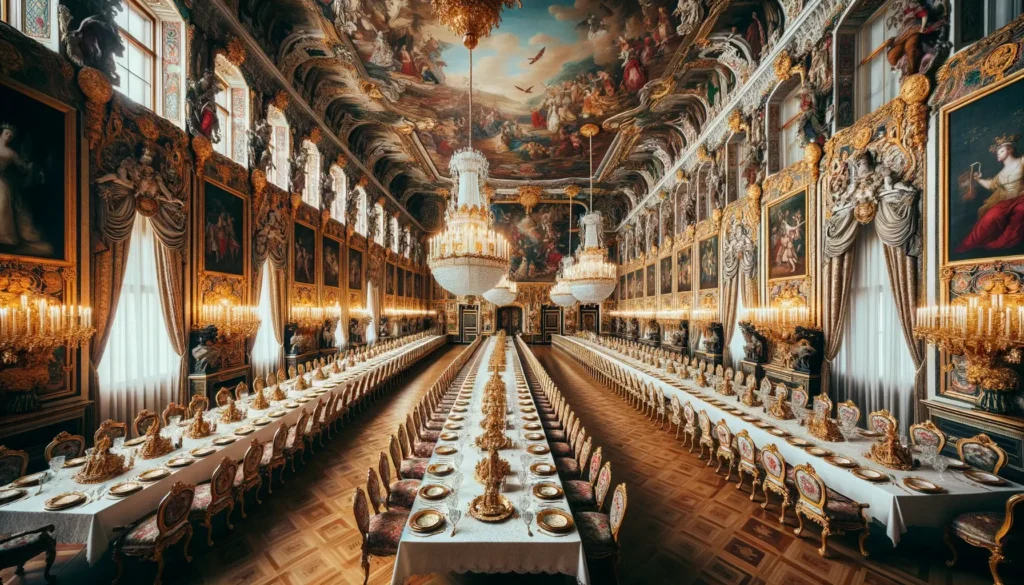
Palaces in the Czech Republic are not just grand architectural structures; they are filled with captivating stories of splendor and intrigue that have unfolded over centuries. These stories provide a glimpse into the lives of rulers, nobility, and their courtiers, revealing the power struggles, scandals, and diplomatic maneuvers that played out within their walls.
One such legend surrounds Prague Castle, the largest ancient castle complex in the world. Dating back to the 9th century, this majestic palace has witnessed numerous significant events in Czech history. One story that continues to pique interest revolves around the mysterious disappearance of the Bohemian Crown Jewels during World War II. Despite extensive investigations, the jewels have never been recovered, leaving historians and treasure hunters alike intrigued by this unsolved mystery.
Another palatial legend that showcases both splendor and intrigue is associated with Český Krumlov Castle. Located in the picturesque town of Český Krumlov, this Renaissance masterpiece has become renowned for its haunting tales. Local folklore speaks of a vengeful spirit, known as the White Lady, who is said to wander the castle’s halls. According to legend, the White Lady is the ghost of a young woman who was tragically murdered on her wedding day. Her ethereal presence adds an air of mystery and excitement to the castle’s already enchanting atmosphere.
Symbolic Significance: Palaces as Cultural and Political Centers
Palaces in the Czech Republic hold great symbolic significance as cultural and political centers. These architectural wonders have witnessed centuries of history, serving as symbols of power, wealth, and prestige. From medieval castles to modern-day residences, each palace represents a unique chapter in the country’s rich heritage.
These palaces have hosted numerous cultural events, celebrations, and diplomatic meetings over the years. With their exquisite interiors, grand halls, and majestic facades, they provide a fitting backdrop for state ceremonies and official receptions. These buildings not only showcase the artistic and architectural prowess of their time but also serve as a testament to the nation’s cultural identity. The sheer magnificence and splendor of these palaces reflect the country’s glorious past and its enduring commitment to preserving its historical legacy.
The Role of Palaces in Czech Republic’s Contemporary Society
In modern-day Czech Republic, palaces play a significant role in the country’s contemporary society. These architectural marvels, once the residences of the royal families and nobility, are now important cultural and historical landmarks. They contribute to the cultural identity of the country and attract thousands of tourists every year.
One of the key roles that palaces play in Czech society is their function as cultural centers. Many palaces have been transformed into museums, showcasing the rich history and heritage of the Czech Republic. These museums exhibit priceless artworks, historical artifacts, and interactive displays that offer visitors a glimpse into the country’s past. By preserving and presenting these cultural treasures, palaces contribute to the education and enrichment of both locals and tourists alike.
Beyond the Walls: Exploring the Gardens and Grounds of Czech Palaces
The gardens and grounds surrounding Czech palaces offer a captivating escape into nature, where visitors can experience the beauty and tranquility of their surroundings. These meticulously designed landscapes reflect the tastes and desires of the ruling elite throughout history, showcasing impeccable attention to detail and an appreciation for the harmony between architecture and nature.
As you wander through the gardens, you’ll be immersed in a world of enchanting flora and fauna, carefully cultivated to create a picturesque backdrop for the palaces. Lush green lawns, vibrant flower beds, and grand avenues lined with majestic trees invite you to explore and unwind. You can marvel at intricately sculpted hedges, meander through fragrant rose gardens, and lose yourself in the meandering paths that lead to hidden fountains and quiet corners. The gardens also serve as a testament to the innovative engineering skills of the past, with ornate water features and cascading terraces showcasing the mastery of hydrodynamics and landscaping. Beyond the walls of these palaces, the gardens become a sanctum for both nature enthusiasts and history buffs alike, offering a glimpse into the opulent lifestyles and grand visions of the past.