 Vanda Svobodova
Linzer cookies, with their delicate buttery texture and fruity jam filling, have become a beloved treat not just in Austria, but also in the neighboring Czech Republic. These quaint little cookies are often associated with festive occasions and hold a significant place in Czech baking traditions. The origins of Linzer cookies can be traced back to the city of Linz in Austria, where they gained popularity in the 18th century. Over time, they made their way to the Czech Republic, where they have become a staple in traditional Czech cuisine.

The influence of Austrian cuisine on Czech baking traditions is evident in the popularity of Linzer cookies. The Czech Republic shares a long history and cultural connection with Austria, particularly in the region that was once part of the Austro-Hungarian Empire. The exchange of culinary techniques and recipes between the two nations has resulted in a fusion of flavors that is distinctly Czech. The art of making Linzer cookies is one such example, blending the Austrian love for buttery pastries with Czech appreciation for seasonal ingredients, such as homemade fruit jams.
Brief overview of Linzer cookies and their significance in Czech culture.
Linzer cookies, known for their delicate buttery texture and vibrant jam-filled centers, hold a significant place in Czech culture. These delightful treats are a popular choice for various occasions, from everyday indulgence to special celebrations. With their origins rooted in Austrian cuisine, Linzer cookies have seamlessly found a home in Czech baking traditions, adding a unique touch to the country’s culinary heritage.

In Czech culture, Linzer cookies are not just a tasty treat but also a symbol of love and affection. They are often given as gifts to friends and loved ones, particularly during festive seasons such as Christmas and Easter. The intricate lattice design on the top layer of these cookies not only showcases the baker’s skill but also adds an aesthetic appeal, making them a visually pleasing addition to any dessert table. Whether enjoyed with a cup of coffee or shared during family gatherings, Linzer cookies have become an integral part of Czech celebrations, serving as a delightful representation of Czech hospitality and artisanal baking.

History of Linzer Cookies
Linzer cookies have a rich and intriguing history that dates back several centuries. These delicate treats are said to have originated in the Austrian city of Linz, hence their name. The story goes that these cookies were first created by the nuns in a Linz convent, who used a special blend of ground almonds, butter, sugar, and flour to make the dough. As the recipe spread throughout Europe, each region put their own unique twist on the traditional Linzer cookie, resulting in a variety of flavors, shapes, and fillings.
In the Czech Republic, the influence of Austrian cuisine played a significant role in the development of Linzer cookies. Due to their close proximity and historical ties, Austrian baking traditions found their way into Czech culture, including the beloved Linzer cookie. While the classic recipe remained the same, Czech bakers began experimenting with different fillings. Raspberry jam quickly became a popular choice, giving the cookies a burst of fruity sweetness that perfectly complemented the buttery almond flavor of the dough. Today, Linzer cookies are a staple in Czech celebrations and festivals, further solidifying their cultural significance in the country.
Origins and evolution of Linzer cookies.
Linzer cookies have a long and rich history that dates back to the 17th century in the city of Linz, Austria. These delectable treats are believed to have been originally made by the nuns of the famous Linzer Sisters’ Monastery. The nuns used simple ingredients like flour, butter, sugar, egg yolks, and ground nuts to create these distinctive cookies.
Over the years, the recipe for Linzer cookies has evolved, offering a variety of flavors and fillings to satisfy different tastes. The traditional recipe calls for a generous layer of raspberry jam sandwiched between two buttery almond shortbread cookies. However, modern adaptations have introduced new flavors such as apricot, strawberry, or even chocolate filling. Some bakers even add a touch of cinnamon or lemon zest to elevate the flavor profile of the cookies. Despite these variations, the core essence of Linzer cookies remains intact—an irresistible combination of delicate buttery cookies and a sweet fruity filling.
The popularity of Linzer cookies quickly spread beyond Austria and found its way into Czech culture. Due to the close geographical proximity and shared culinary traditions between the two countries, it was only natural for Czech bakers to adopt and incorporate Linzer cookies into their own baking repertoire. Today, these enchanting treats have become a beloved part of Czech baking traditions, particularly during festive occasions such as Christmas and weddings. Whether enjoyed with a cup of tea or shared with loved ones, Linzer cookies continue to be a timeless delight that represents the artistry and craftsmanship of Czech baking.
Influence of Austrian cuisine on Czech baking traditions.
The influence of Austrian cuisine on Czech baking traditions has played a significant role in shaping the delectable treats enjoyed in the Czech Republic today. With its close proximity to Austria, it is no surprise that Czech culture has absorbed and adapted various culinary traditions from its neighbor. In particular, Austrian influence on Czech baking can be seen in the popular Linzer cookies, which have become a beloved dessert in the Czech Republic.
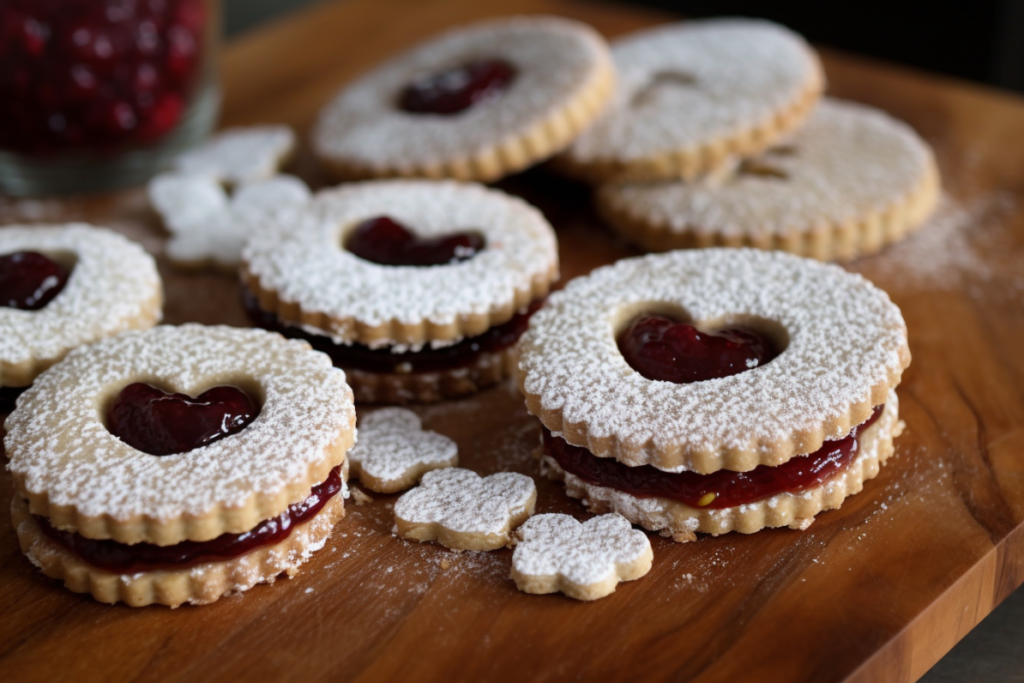
The origins of Linzer cookies can be traced back to Linz, Austria, where they were initially created in the 18th century. These delightful treats are made using a buttery dough infused with ground almonds and flavored with vanilla or lemon zest. The dough is then rolled out and cut into rounds, with a smaller round cut out of the center of half the rounds. These rounds are then sandwiched with a dollop of fruity jam, traditionally made with either raspberry or apricot preserves. The resulting cookies are not only visually appealing, with their vibrant jam centers peeking through the cut-out holes, but they also offer a perfect balance of flavors and textures.
The Art of Making Linzer Cookies
Key ingredients for making authentic Czech Linzer cookies include flour, butter, powdered sugar, ground almonds, and a touch of vanilla extract. The dough is prepared by creaming together the butter and powdered sugar until light and fluffy. Ground almonds are then added, giving the dough its distinct nutty flavor. Finally, flour and vanilla extract are incorporated to bring the dough together. The dough is then chilled for at least an hour to allow it to firm up and become easier to work with.
Once the dough has chilled, it is rolled out to a thickness of about 1/4 inch. Traditional Linzer cookies are cut into small rounds using a fluted cookie cutter, but other shapes such as hearts or stars can also be used. To create the signature Linzer design, a smaller cutter is used to remove the center from half of the cookies, creating a window. The cutout cookies are then placed on top of the whole cookies, creating a beautiful sandwich-like appearance. Before baking, a generous dollop of fruit preserves, typically raspberry or apricot, is spread onto the whole cookies. This not only adds a burst of fruity sweetness but also helps to hold the top and bottom cookies together. The cookies are then baked until they are golden brown around the edges, creating a delicate and buttery treat that is a delight to the senses.
Key ingredients and traditional recipe.
Key Ingredients:
The key ingredients for traditional Czech Linzer cookies are simple yet essential, ensuring the distinctive taste and texture that make these cookies so beloved. Flour forms the base of the dough, providing structure and stability. Ground almonds or walnuts add a rich and nutty flavor, complementing the sweetness of the cookies. A generous amount of butter is also used, lending a tender and melt-in-your-mouth quality. A touch of powdered sugar and vanilla extract enhance the overall sweetness and aroma of the cookies. Lastly, a dollop of fruit jam or preserves is traditionally nestled in the center, giving these cookies their signature appearance and irresistible taste.
Traditional Recipe:
To make authentic Czech Linzer cookies, start by combining the dry ingredients, such as flour and ground nuts, in a bowl. In a separate mixing bowl, cream together the butter and powdered sugar until light and fluffy. Gradually incorporate the dry ingredients into the wet mixture, followed by the addition of vanilla extract. The resulting dough should be slightly crumbly but cohesive enough to hold its shape when pressed together. After chilling the dough for about an hour, it can be rolled out and cut into round shapes using a cookie cutter. With half of the cut-out cookies, make small holes in the center using a smaller cutter or a decorative nozzle. Spread a thin layer of fruit jam onto the whole cookies, then carefully place the cut-out cookies on top, creating a beautiful sandwich effect. Bake until golden brown and let cool before enjoying these delectable Linzer cookies.
Step-by-step guide to making authentic Czech Linzer cookies.
To start making authentic Czech Linzer cookies, gather the following key ingredients: butter, powdered sugar, egg yolks, vanilla extract, all-purpose flour, ground almonds, raspberry jam, and powdered sugar for dusting. Begin by creaming the butter and powdered sugar together until light and fluffy. Then, add in the egg yolks and vanilla extract, mixing until well combined. Gradually incorporate the all-purpose flour and ground almonds, mixing until a dough forms.
Next, divide the dough into two equal portions and shape them into discs. Wrap each disc in plastic wrap and refrigerate for at least one hour, allowing the dough to firm up. Once chilled, roll out one disc of dough on a floured surface to about 1/4 inch thickness. Use a round cookie cutter to cut out circles from the dough. Repeat with the second disc of dough.
For the top cookies, use a smaller cookie cutter to create a small window in the center, allowing the vibrant raspberry jam to peek through. Place the cut-out cookies on a baking sheet lined with parchment paper, leaving a bit of space between each one. Bake in a preheated oven at 350°F (175°C) for about 10-12 minutes or until the edges are lightly golden brown.
Allow the cookies to cool completely on a wire rack before assembling. Dust the top cookies with powdered sugar for an extra touch of sweetness. Spread a dollop of raspberry jam onto the bottom cookies, then gently place a top cookie on top, lining up the window. Press lightly to secure the sandwiched cookies together. Repeat until all the cookies are assembled. These delicate and divine Linzer cookies are now ready to be enjoyed with a warm cup of tea or coffee.
Cultural Significance in the Czech Republic
Linzer cookies hold a significant cultural importance in the Czech Republic. These delectable treats are not only enjoyed as a delicious dessert but also hold deep symbolism in various Czech celebrations and festivals. The intricate designs of the cookies, often made in the shape of hearts or flowers, represent love, affection, and well-wishes in Czech culture. They are commonly exchanged as gifts during special occasions such as weddings, anniversaries, and holidays like Christmas and Easter. The act of giving Linzer cookies is considered a gesture of goodwill and serves as a way to strengthen bonds between friends, family, and loved ones.
Moreover, Linzer cookies have become an integral part of traditional Czech baking traditions, showcasing the influence of Austrian cuisine in the country. Austria and the Czech Republic have a long history of cultural exchange, and this is reflected in the culinary traditions as well. The Linzer torte, a popular Austrian dessert, is believed to have played a significant role in the evolution of Linzer cookies in Czech baking. Over time, the Czechs incorporated their own unique twist to the recipe, resulting in the creation of the beloved Linzer cookies that are cherished in the Czech Republic today. This culinary fusion highlights the cross-cultural connections and the continuous evolution of traditions between neighboring countries.
Linzer cookies in Czech celebrations and festivals.
Czech celebrations and festivals are never complete without the presence of Linzer cookies. These delightful treats hold a special place in the hearts of Czech people and have become an integral part of their culinary traditions. Whether it’s a joyful Christmas gathering, a lively Easter celebration, or a wedding reception, Linzer cookies are a must-have on the dessert table.
These delectable cookies are known for their delicate texture and delightful flavors. They are often shaped into small rounds or hearts, filled with fruit preserves, and dusted with powdered sugar. The combination of the buttery cookie base and the sweet and tangy fruit filling creates a heavenly taste that captivates everyone’s taste buds. It is not uncommon to see Czech families passing down their cherished Linzer cookie recipes from one generation to another, ensuring that these scrumptious treats remain a symbol of love, togetherness, and tradition. So, the next time you find yourself at a Czech celebration or festival, be sure to indulge in the irresistible charm of Linzer cookies to truly experience the essence of Czech culture.
FAQs
What are Linzer cookies?
Linzer cookies are a type of sandwich cookie made with a rich buttery dough and filled with jam. They are traditionally made with a lattice top, and the jam filling is typically raspberry or strawberry.
What is the significance of Linzer cookies in Czech culture?
Linzer cookies hold a special place in Czech culture as they are often made and enjoyed during celebrations and festivals. They are considered a traditional and beloved sweet treat in the Czech Republic.
Can you provide a brief history of Linzer cookies?
Linzer cookies have a long history dating back to the 17th century in Austria. They are named after the city of Linz and were originally made with a dough made from flour, sugar, butter, and ground almonds.
How did Linzer cookies evolve over time?
Over time, Linzer cookies evolved to include a lattice top, which became a distinctive feature of this cookie. The recipe also spread to other European countries, including the Czech Republic, where it became a popular treat.
How has Austrian cuisine influenced Czech baking traditions?
Austrian cuisine has had a significant influence on Czech baking traditions, including the introduction of recipes like Linzer cookies. The cultural exchange between Austria and the Czech Republic has allowed for the integration of Austrian flavors and techniques into Czech baking.
What are the key ingredients in a traditional Czech Linzer cookie recipe?
The key ingredients in a traditional Czech Linzer cookie recipe include flour, sugar, butter, ground almonds, egg yolks, vanilla extract, and jam for the filling.
Can you provide a step-by-step guide to making authentic Czech Linzer cookies?
1. Cream together butter and sugar.
2. Add ground almonds, flour, egg yolks, and vanilla extract to the mixture.
3. Mix until a dough forms, then divide it into two portions.
4. Roll out one portion and cut out cookie rounds.
5. Cut a smaller shape from the center of half of the rounds to create the top cookie.
6. Spread jam on the bottom cookie rounds.
7. Place the top cookie rounds with the cut-out shape on top of the jam.
8. Bake until golden brown and let cool before serving.
How are Linzer cookies incorporated into Czech celebrations and festivals?
Linzer cookies are often made and served during Czech celebrations and festivals, such as Christmas, Easter, weddings, and other special occasions. They are enjoyed as a sweet treat and can be given as gifts or served as part of a dessert spread.
Recreate Czech baking at home
- “Recipes from an Old Town Bohemian Kitchen” cookbook
- Escali Primo digital kitchen scale
- Silicone baking mats
- Grade-A vanilla beans
- Ground poppy seeds — required for authentic Czech pastries.